Whether you're a brand, retailer, or content creator, we'd love to hear from you.
contact.running.zap@gmail.comWe analyzed scores from dozens of expert sources to bring you the definitive list of the best running shoes available right now.
At RunningZap, we don't just rely on a single reviewer's opinion. We aggregate scores from dozens of expert sources — including independent labs, professional running coaches, and experienced reviewers — to give every shoe a composite score out of 100. The shoes on this list consistently scored above 85 across cushioning, stability, durability, and value.
We also factor in real-world feedback: weight, drop, stack height, and price. Every shoe here has been cross-referenced against its actual retail pricing and availability.
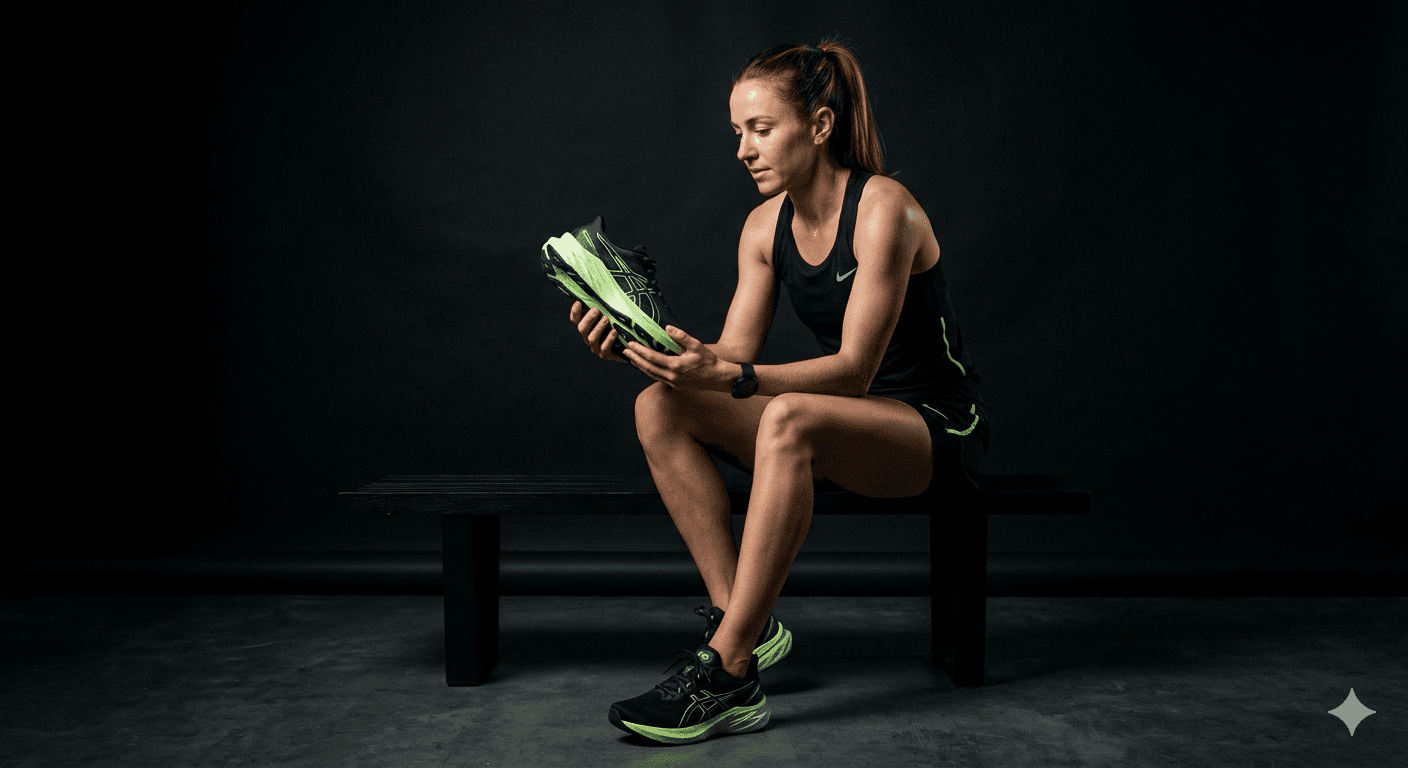
The ASICS Superblast 3 takes the top spot for 2026. With its FF Turbo foam and generous stack height, it delivers an absurd amount of energy return without feeling unstable. It's one of those rare shoes that works for easy days, tempo runs, and even race day.
At 236g, it's lighter than most max-cushion shoes, and the 8mm drop hits a sweet spot for most runners. The Superblast 3 scores a 93 overall on RunningZap — the highest in our database.
Best for: Runners who want one shoe that does everything.
The Pegasus is the best-selling running shoe in the world for a reason. The 42nd edition keeps what works — ReactX foam, a reliable 10mm drop, and a fit that suits almost every foot shape — while shaving a few grams off the previous version.
It's not the flashiest shoe, but it's the one you'll reach for 4 out of 5 runs. Durable outsole, breathable upper, and widely available under $140.
Best for: Runners who need a reliable workhorse for daily miles.
When you're logging 15+ miles, comfort is king. The Glycerin 22's DNA Loft v3 midsole provides plush, responsive cushioning that doesn't bottom out at mile 18. The fit is accommodating without being sloppy, and the 10mm drop promotes a natural stride.
It's heavier than some alternatives at 283g, but the extra cushioning and durability make it worth the trade-off on long run days.
Best for: Runners training for half marathons and marathons.
The Alphafly 4 is purpose-built for race day. A full-length carbon plate, ZoomX foam, and Air Zoom pods create a propulsive ride that shaves real seconds off your times. It's not a shoe you train in — it's the shoe you save for the day that counts.
At $285, it's an investment. But if you're chasing a PR in the marathon or half marathon, no shoe delivers more speed per stride.
Best for: Competitive runners on race day.
At $120, the Kinvara 15 is the best deal in running right now. It's a lightweight (215g), low-drop (4mm) daily trainer that punches well above its price point. The PWRRUN foam isn't as bouncy as premium options, but it's responsive enough for tempo runs and comfortable enough for easy days.
The Kinvara has always been a favorite among experienced runners who value ground feel over max cushion.
Best for: Budget-conscious runners who prefer a lighter, more minimal feel.
The Speedgoat 6 is the trail shoe that other brands benchmark against. Vibram Megagrip outsole for grip on any surface, 4mm lugs for technical terrain, and enough cushioning (CMEVA midsole) to handle ultra distances.
The fit runs slightly narrow in the midfoot, so wide-footed runners should try them on before committing. But for most trail runners, this is the gold standard.
Best for: Trail runners who tackle technical terrain.
If you're new to running, the Ghost 17 is the safest pick you can make. Neutral pronation, moderate cushioning, 12mm drop — it's a shoe designed to not get in the way. The DNA Loft midsole is forgiving on joints, and the fit is one of the most accommodating in the industry.
At $140, it's reasonably priced and incredibly durable. Many runners report getting 400+ miles out of a pair.
Best for: New runners who need a comfortable, no-fuss shoe.
The best running shoe is the one that fits your foot, matches your running style, and works within your budget. Here's a quick framework:
1. Know your pronation. Neutral runners have the most options. Overpronators should look at stability shoes like the Brooks Adrenaline GTS or ASICS Gel-Kayano.
2. Match the shoe to the run. Daily trainers for most runs, racing shoes for race day, trail shoes for off-road.
3. Don't overspend on features you don't need. Carbon plates are great for racing, but a $120 daily trainer will serve most runners better than a $280 super shoe.
4. Use our comparison tool to see how shoes stack up on the specs that matter to you.
The information in this article is based on aggregated data from expert review sources including Runner's World, Believe in the Run, Road Trail Run, Doctors of Running, and other independent testing labs. Shoe specifications are sourced from official brand product pages. RunningZap does not test shoes in-house — we aggregate and normalize scores from trusted third-party reviewers to provide objective comparisons.
For the latest specs and pricing, we recommend checking the official brand websites linked on each shoe's detail page.