Análisis basado en datos de fuentes expertas. Carbon plate shoes promise faster times. But at $200-$300 with a 200-mile lifespan, are they worth it for runners who aren't elite? Here's the honest answer.
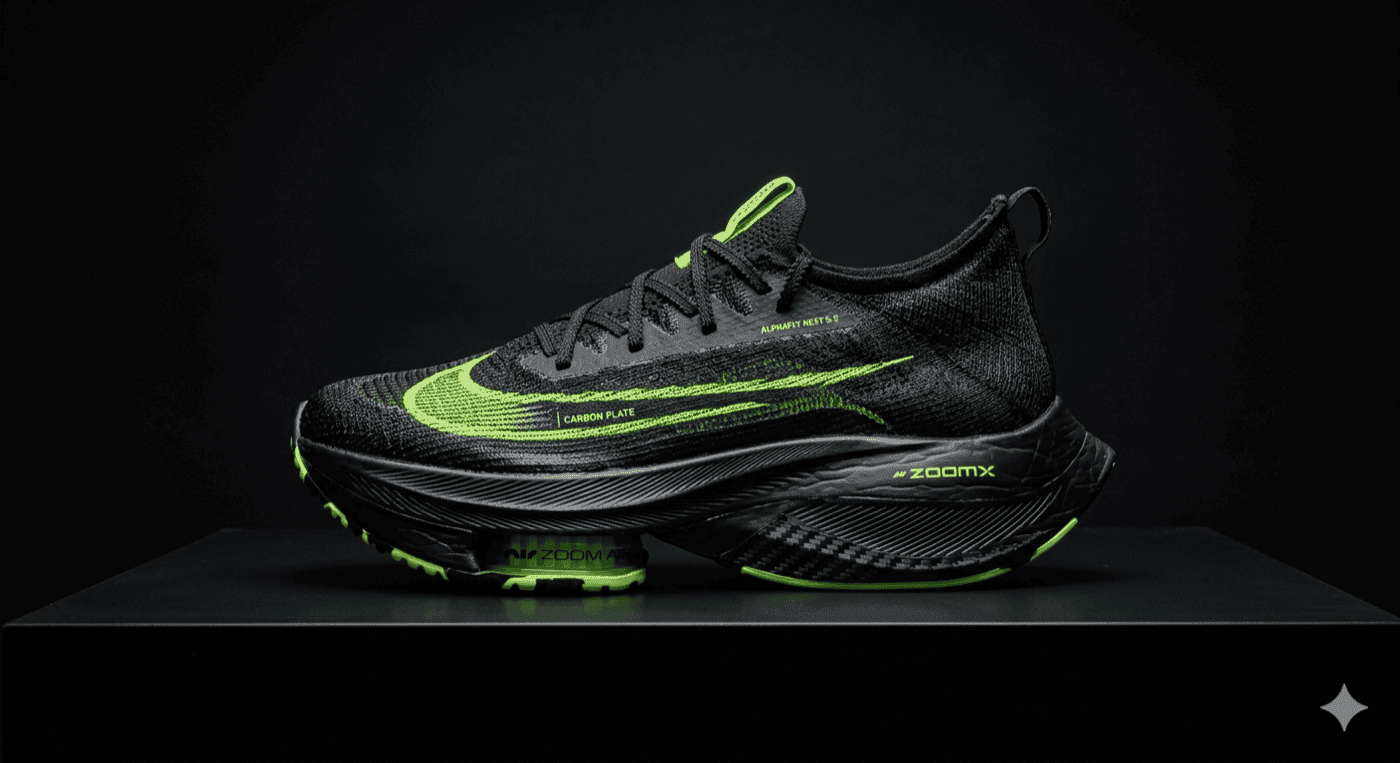
A carbon fiber plate is a thin, stiff layer embedded in the midsole of a running shoe. It works like a lever: as your foot rolls through the stride, the plate stores energy during the loading phase and releases it at toe-off, propelling you forward.
The plate works in combination with super foams (usually PEBA-based) that provide high energy return. The foam absorbs impact; the plate converts that energy into forward motion. Together, they reduce the metabolic cost of running.
Research consistently shows that carbon plate shoes improve running economy by 2-4% compared to traditional racing shoes. For a 3:30 marathoner, that's roughly 4-8 minutes faster. That's real and measurable.
Nike Alphafly 4: The original super shoe, now in its 4th generation. ZoomX foam, full carbon plate, Air Zoom pods. $285. The most proven race shoe in marathon history.
ASICS Metaspeed Sky Paris: FF Turbo foam with a carbon plate tuned for long-stride runners. $250. Lighter than the Alphafly at 185g.
Saucony Endorphin Elite 2: PWRRUN HG foam with a carbon plate. $275. The lightest race shoe at 178g. Built for sub-3:00 marathoners.
PUMA Fast-R Nitro Elite 3: NITRO Elite foam with carbon plate. $250. The rising challenger that topped several 2025 shoe charts.
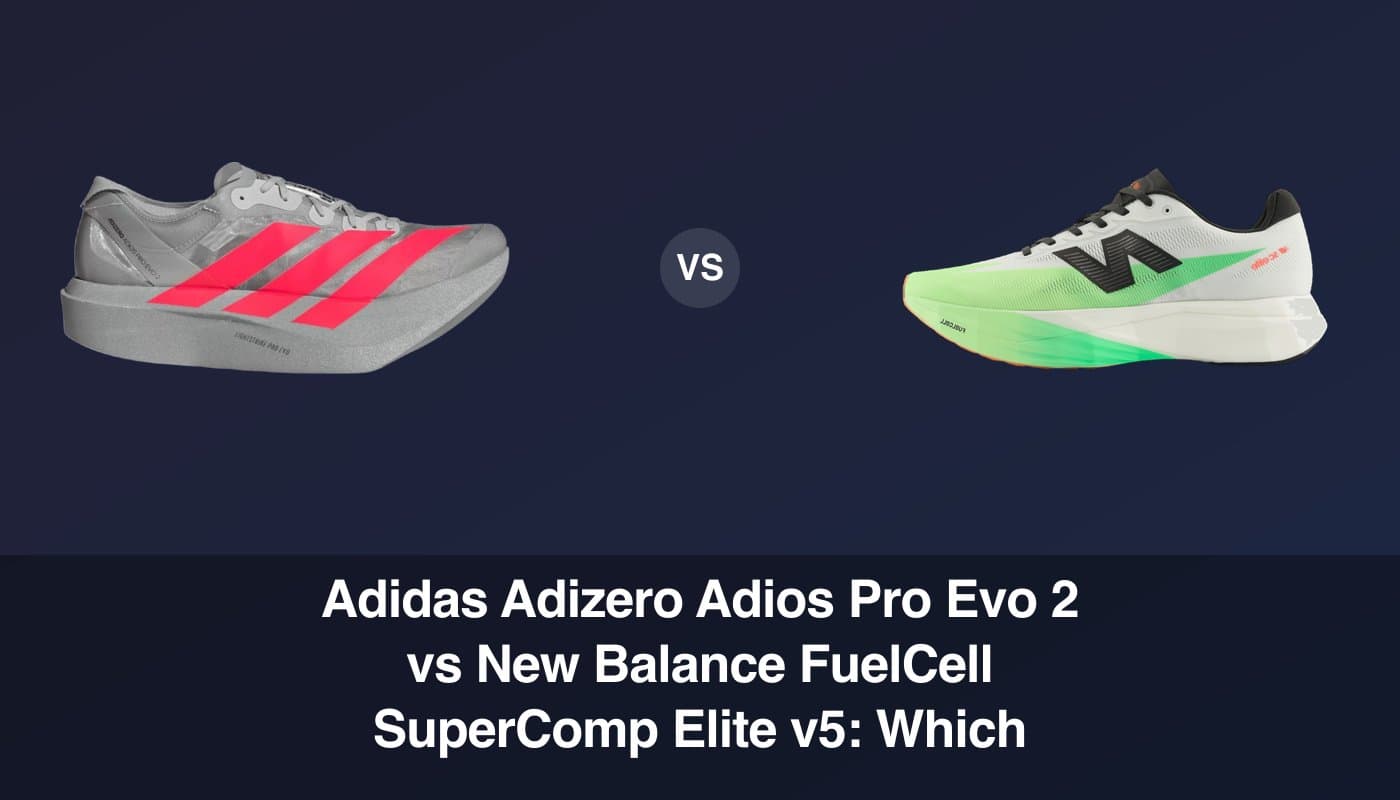
Adidas Adizero Adios Pro 4: Lightstrike Pro foam with carbon rods. $230. The shoe behind multiple marathon records.
Brooks Hyperion Elite 4: DNA Flash foam with carbon plate. $250. Brooks' entry into the super shoe race.
Durability: Carbon plate shoes last 100-200 miles before the foam loses its bounce. At $250-$300, that's $1.25-$3.00 per mile. A daily trainer at $140 lasting 450 miles costs $0.31 per mile. The math isn't kind.
They're race-specific: The stiff plate and aggressive geometry that make these shoes fast also make them uncomfortable for easy running. They're not daily trainers. You need a separate shoe for training.
Injury risk: The stiff plate changes your biomechanics. Some runners report increased Achilles strain or metatarsal stress from the altered loading pattern. If you're injury-prone, introduce them gradually.
Diminishing returns at slower paces: The 2-4% efficiency gain is most significant at faster paces. At easy running speeds, the benefit shrinks. If you're running a 5:00 marathon, a carbon plate shoe won't transform your experience.
They work: This isn't marketing. Peer-reviewed research confirms the performance benefit. If you have a time goal, carbon plate shoes give you a measurable advantage.
Race day matters: If you've trained for 16 weeks for a marathon, spending $250 on a shoe that gives you 4-8 free minutes isn't irrational. You're spending far more on training time, nutrition, and entry fees.
You don't need the most expensive one: The Saucony Endorphin Speed 4 ($170) uses a nylon plate instead of carbon and gives you most of the benefit at a lower price with better durability. It's a legitimate race shoe for runners who don't want to spend $280.
They feel incredible: This is subjective but universal. Running fast in a carbon plate shoe feels effortless in a way that's hard to describe. If you love running, you'll love the experience.
Buy them if: You're training for a specific race with a time goal. You race at least 2-3 times a year (to justify the cost). You're running faster than roughly 5:30/km pace in races. You already have a solid daily trainer and this would be a dedicated race shoe.
Skip them if: You're a beginner still building base fitness. You run for fun without time goals. You can only afford one pair of shoes. You race slower than 6:00/km (the benefit is smaller at slower paces). You have a history of Achilles or foot injuries.
Consider a budget alternative if: You want some of the benefit without the full cost. The Saucony Endorphin Speed 4 ($170) and ASICS Superblast 3 (not a race shoe but very fast) give you plate-assisted propulsion at a lower price with better durability.
1. Don't train in them daily. Save carbon plate shoes for races and 2-3 pre-race workouts to get used to the feel. Training in them wastes their limited mileage.
2. Do at least 2 runs in them before race day. The aggressive rocker and plate geometry change your stride. You need time to adapt.
3. Track their mileage carefully. Most carbon plate shoes lose measurable bounce after 100-150 miles. After 200 miles, you're running in an expensive dead shoe.
4. Store them in a cool, dry place. PEBA foams degrade faster in heat and humidity.
5. Pair them with a proper daily trainer. A rotation of a daily trainer ($130-$150) for training and a carbon shoe for races gives you the best of both worlds.
La información de este artículo se basa en datos agregados de fuentes de análisis expertas como Runner's World, Believe in the Run, Road Trail Run, Doctors of Running y otros laboratorios de pruebas independientes. Las especificaciones de las zapatillas provienen de las páginas oficiales de cada marca. RunningZap no prueba zapatillas directamente — agregamos y normalizamos puntuaciones de revisores de terceros de confianza para ofrecer comparaciones objetivas.
Para las últimas especificaciones y precios, recomendamos consultar los sitios web oficiales de cada marca enlazados en la página de detalle de cada zapatilla.